
Top 10 largest earthquakes ever recorded
Earthquakes are measured using the moment magnitude scale (Mw), which estimates the energy released by a quake. While countless earthquakes occur each year, a few stand out due to their sheer power and the destruction they caused. Here is a look at the 10 largest earthquakes ever recorded.
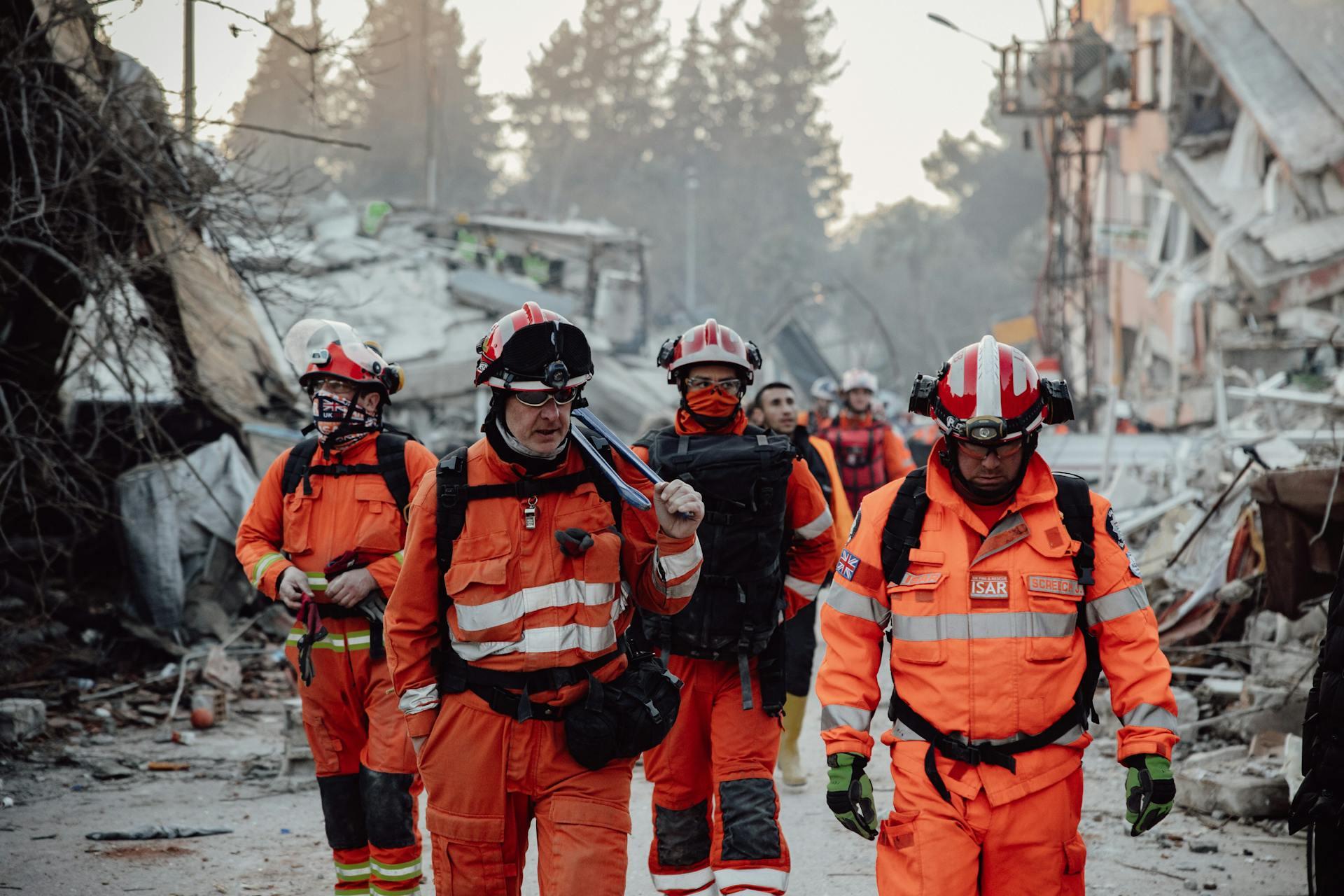
The top 10 largest earthquakes
| Rank | Date | Country Map | Earthquake Page | Magnitude (Mw) | Impact |
|---|---|---|---|---|---|
| 1 | May 22, 1960 | Valdivia, Chile | N/A | 9.5 | The largest earthquake ever recorded. Caused massive tsunamis across the Pacific Ocean, killing 1,000–6,000 people. |
| 2 | March 27, 1964 | Prince William Sound, Alaska, USA | N/A | 9.2 | Generated tsunamis reaching Alaska and the US west coast. About 131 fatalities. |
| 3 | December 26, 2004 | Indian Ocean, off Sumatra, Indonesia | View details | 9.1 | Triggered the deadly tsunami that affected 14 countries, killing ~230,000–280,000 people. |
| 4 | November 4, 1952 | Kamchatka Peninsula, Russia | N/A | 9.0 | Caused a Pacific-wide tsunami; few casualties due to sparse population. |
| 5 | March 11, 2011 | Tōhoku, Japan | View details | 9.0 | Led to the Fukushima nuclear disaster; ~15,899 deaths and widespread damage. |
| 6 | August 13, 1868 | Arica, Chile (then Peru) | N/A | 9.0 | Triggered a tsunami; about 25,000 people died. |
| 7 | January 31, 1906 | Ecuador-Colombia border | N/A | 8.8 | Generated tsunamis along the coast; significant destruction in the region. |
| 8 | February 27, 2010 | Maule, Chile | View details | 8.8 | Triggered tsunamis along the Chilean coast; over 500 deaths deaths. |
| 9 | November 1, 1755 | Lisbon, Portugal | N/A | 8.7–9.0 | Led to the Lisbon tsunami and fires; ~60,000 people died. |
| 10 | August 15, 1950 | Assam–Tibet, India | N/A | 8.6 | Massive continental earthquake causing landslides, ground cracks, and significant casualties. |
Understanding the scale
The magnitude scale is logarithmic, which means each whole number increase represents roughly 32 times more energy release. For example, a magnitude 9 quake releases over 30 times more energy than a magnitude 8 quake.
Many of the largest earthquakes also trigger tsunamis, landslides, and secondary hazards, which often cause more fatalities than the shaking itself.
Key takeaways
- The largest earthquakes in history mostly occur along subduction zones, where one tectonic plate is forced under another.
- Tsunamis are a common and deadly side effect of the biggest quakes.
- Preparing for earthquakes involves understanding local risks, building safely, and having emergency plans and kits ready.
Even though these events are rare, their impact reminds us of the importance of earthquake preparedness.
References
- USGS – Where can I find a list of the largest earthquakes in the world?
- BBC Science Focus – Top 10 biggest earthquakes ever recorded