
Understanding tsunamis
A tsunami is a series of ocean waves with extremely long wavelengths and high energy, usually triggered by a sudden displacement of water. Unlike ordinary waves caused by wind, tsunamis can travel across entire oceans and cause catastrophic damage when they reach shore.
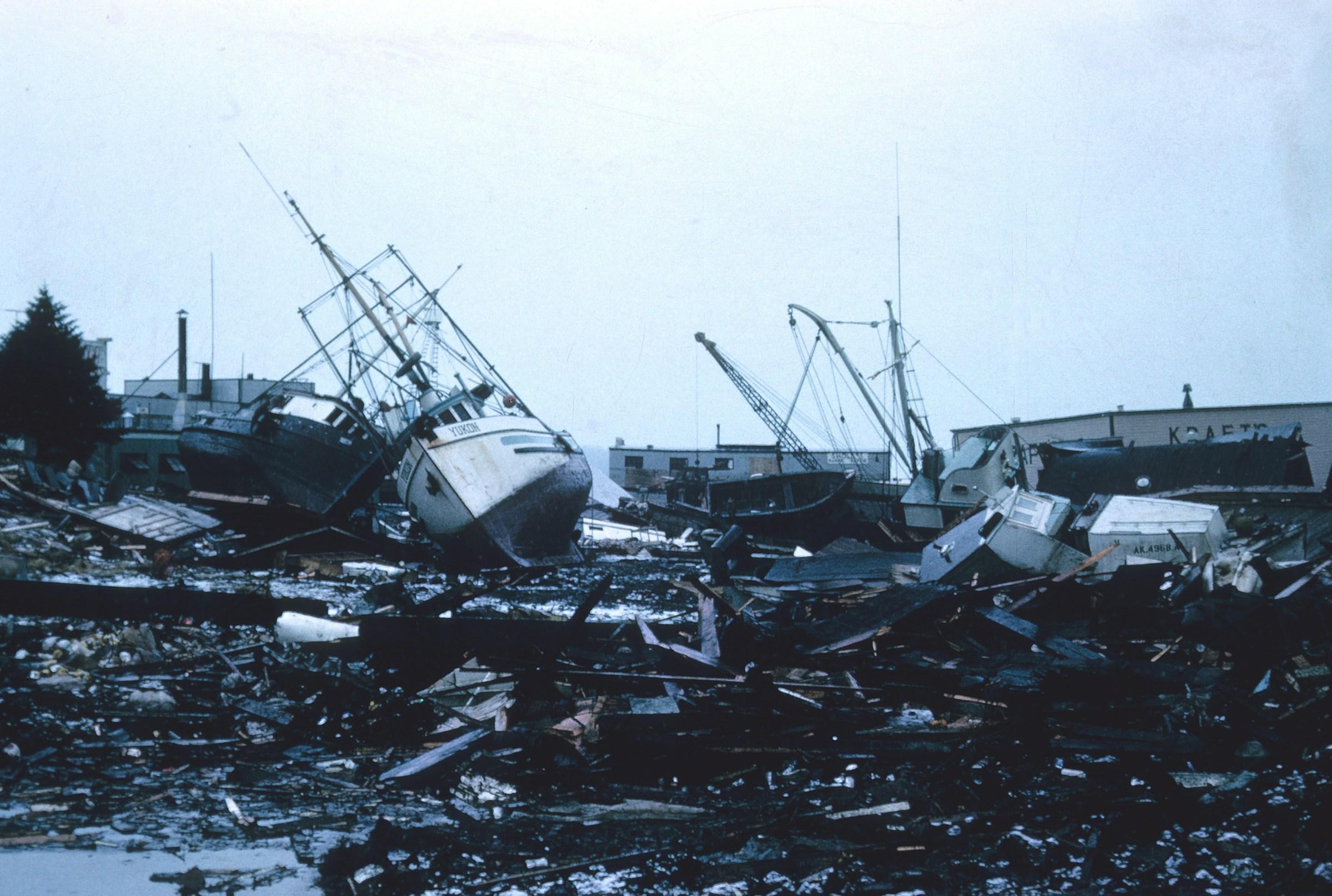
Tsunamis are sometimes called "tidal waves," but this is misleading — they are not caused by tides. Instead, their origins lie in geological or meteorological events that rapidly shift large volumes of water.
How tsunamis are created
Most tsunamis are generated by underwater earthquakes, particularly those along subduction zones, where one tectonic plate slides beneath another. Other causes include:
- Volcanic eruptions — explosive eruptions can displace water instantly.
- Landslides — large amounts of rock or sediment falling into the ocean.
- Meteorite impacts — rare but capable of generating massive waves.
When the ocean floor suddenly moves, it pushes the water above it, creating waves that propagate outward at high speeds. In deep water, these waves can travel at 500–1000 km/h (310–620 mph), but they are often barely noticeable at the surface.
How tsunamis differ from normal waves
Unlike regular wind-driven waves:
| characteristic | normal waves | tsunamis |
|---|---|---|
| wavelength | tens to hundreds of meters | 100 km or more |
| speed | 5–60 km/h | 500–1000 km/h in deep water |
| energy | affects surface only | affects entire water column |
| warning signs | small changes in wind/water | sudden withdrawal of water from shore, rumbling sound |
When a tsunami approaches shallow water near the coast, its speed decreases, but its height increases dramatically, causing massive inundation.
Catastrophic tsunamis in history
Some tsunamis have caused enormous destruction and loss of life:
| date | location | magnitude / trigger | casualties / impact |
|---|---|---|---|
| Dec 26, 2004 | Indian Ocean (off Sumatra, Indonesia) | Mw 9.1 earthquake | ~230,000–280,000 deaths across 14 countries |
| July 9, 1958 | Lituya Bay, Alaska, USA | Landslide | Giant wave 524 m high; destroyed trees and boats |
| March 11, 2011 | Tōhoku, Japan | Mw 9.0 earthquake | ~15,899 deaths; Fukushima nuclear disaster |
| Aug 27, 1883 | Krakatoa, Indonesia | Volcanic eruption | Tsunami 30–40 m high; ~36,000 deaths |
| Nov 1, 1755 | Lisbon, Portugal | Mw 8.7–9.0 earthquake | Tsunami + fires; ~60,000 deaths |
Tsunamis are rare, but when they strike, they can affect entire coastlines and cause devastation far from their origin.
Key takeaways
- Tsunamis are long-wavelength, high-energy waves caused by sudden water displacement.
- They differ from normal waves in size, speed, and energy distribution.
- Most are triggered by underwater earthquakes, but volcanoes, landslides, and rare impacts can also create them.
- Preparation and early warning systems are critical in reducing loss of life.
References
- National Oceanic and Atmospheric Administration (NOAA) – Tsunamis
- International Tsunami Information Center (ITIC) – Tsunami Information